Watercolor Quality Matters: Choosing Paints That Work With You, Not Against You
Ever wondered why your watercolor paintings don’t look like the ones you admire online? The answer might be sitting right in your paint box.
Not all watercolors are created equal. That $5 palette from the discount store won’t deliver the same magic as professional brands – but why?
The Alchemy of Watercolor
At its core, watercolor paint is beautifully simple: pigment and binder. That’s it.
The pigment gives color. The binder (usually gum arabic) holds everything together and helps the pigment flow onto your paper. In watercolors, this binder is water-soluble, creating that luminous transparency that makes the medium so captivating.
But here’s where quality makes all the difference.
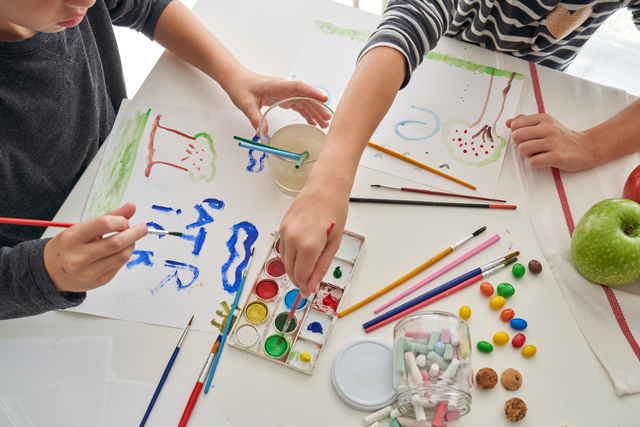
A CHILDHOOD DREAM
Remember those plastic trays with tiny, rock-hard colored discs from childhood? The ones that required vigorous scrubbing with a wet brush to produce pale, disappointing color?
Those aren’t real watercolors. They’re barely pigment at all – mostly fillers and binders with just enough color to fool children.
Professional artists don’t use these. Neither should you.
Professional Pan Watercolors
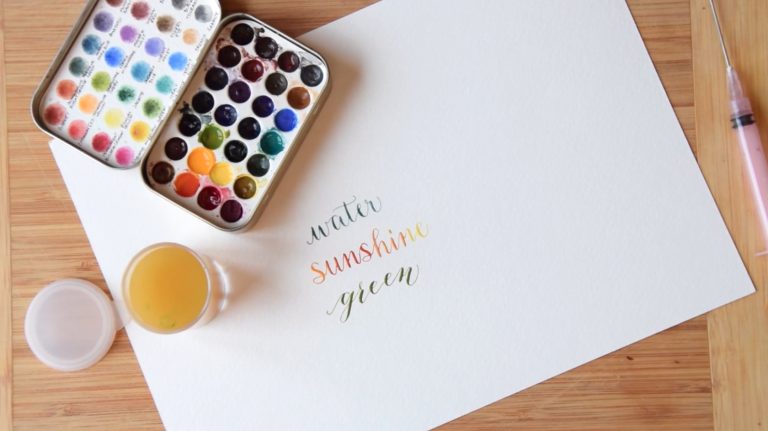
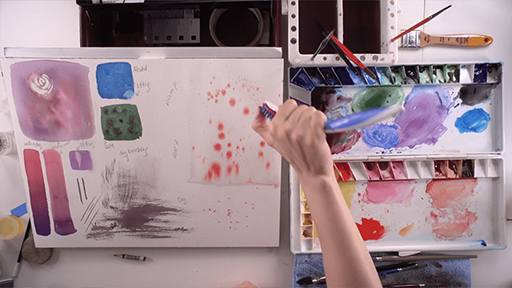
Professional-grade pan watercolors (the solid cakes in metal tins) are entirely different creatures. They’re made with rich pigment concentrations, creamy textures, and high-quality binders.
A single stroke with these yields vibrant color that flows beautifully. They reactivate easily with water and maintain their brilliance even when diluted.
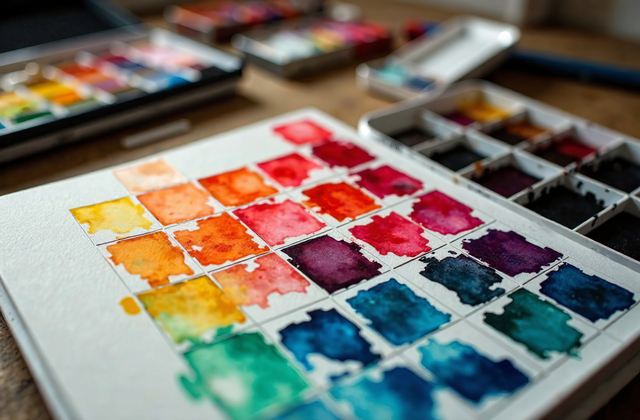
The Truth About Pigment
There are hundreds of pigments used in watercolors – some mined from the earth, others synthesized in labs. Some are common and inexpensive; others are rare and precious.
This is why some colors cost more than others, even within the same brand. That deep, authentic ultramarine made from lapis lazuli? It’s literally crushed semi-precious stone.
Not all pigments behave the same way. Some blend seamlessly into smooth gradients, while others create beautiful “granulation” – that textured, speckled effect where pigment particles settle into the valleys of your paper. Some colors backrun and bloom dramatically (creating those feathery, organic patterns when wet paint meets wet paper), while others stay exactly where you put them.
Since watercolor is transparent, pigment quality matters tremendously. Poor pigments need multiple layers for coverage, forcing you to add more and more water to your paper. Professional-grade paints achieve richness in fewer strokes while maintaining that magical translucency.
Remember: you can always dilute pigment-rich paint, but you can never add pigment to weak paint.
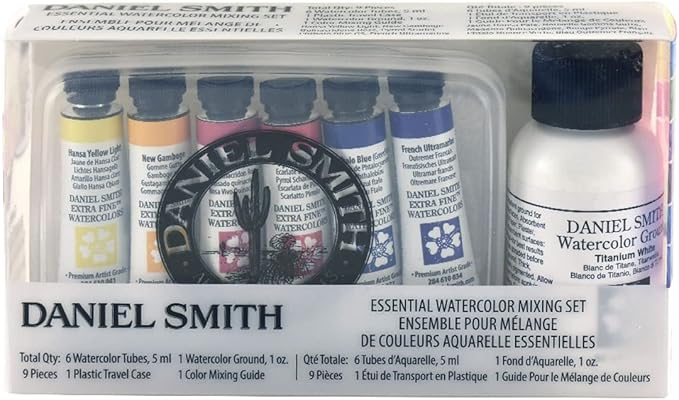
Tubes vs. Pans
The difference between tube and pan watercolors isn’t about pigment richness – it’s about form. Tubes contain watercolor in a moist, ready-to-use state, while pans hold the same paint in a dried form that needs rehydrating.
Many artists actually squeeze tube paints into empty pans to create custom palettes. The pigment load depends entirely on the manufacturer and quality grade, not the delivery system.
According to an artist Alyssa Bermudez, the student-quality paints are “not for use beyond there. They are mixed with fillers and extenders so you actually need to use more of them to get a decent result. And no classroom paint layers will ever add up to the vivid color you may need.”
The paint tubes tend to be the creamiest and have the best coverage without having to work the paint with water.
Whether you prefer pans or tubes, the most important factor is the pigment quality and concentration. Some brands excel at certain colors while others have different strengths.
While reviews and recommendations help, nothing replaces personal experimentation. Your preferences might differ from the experts – one paint might feel too sticky or too transparent for your style. Trust your experience.
Not sure where to start? Ask us, and we’ll point you toward the right paints for your specific needs and budget. The world needs your art, not your frustration with subpar materials.
As always, the tutorials in the Essential Watercolor Skills are a great place if you are a beginner or coming back to watercolors after a prolonged break.
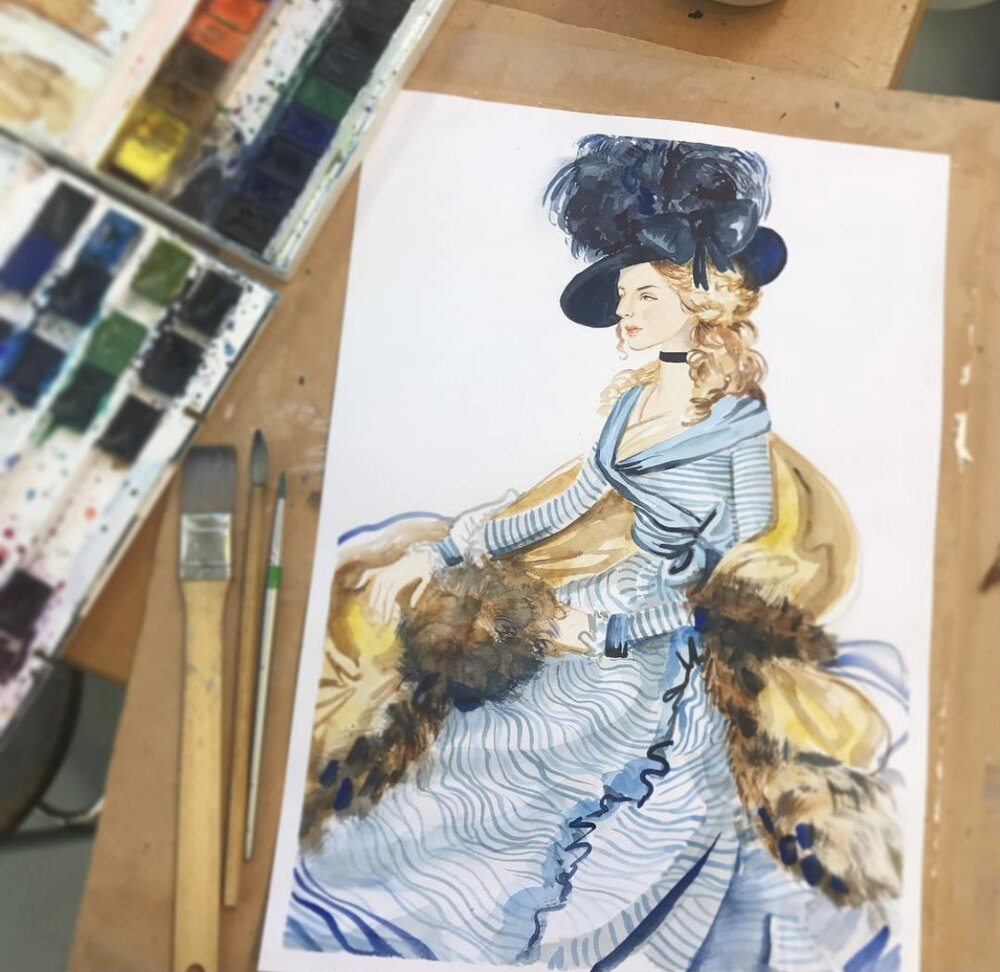
Above Image is from Alyssa Bermudez Art